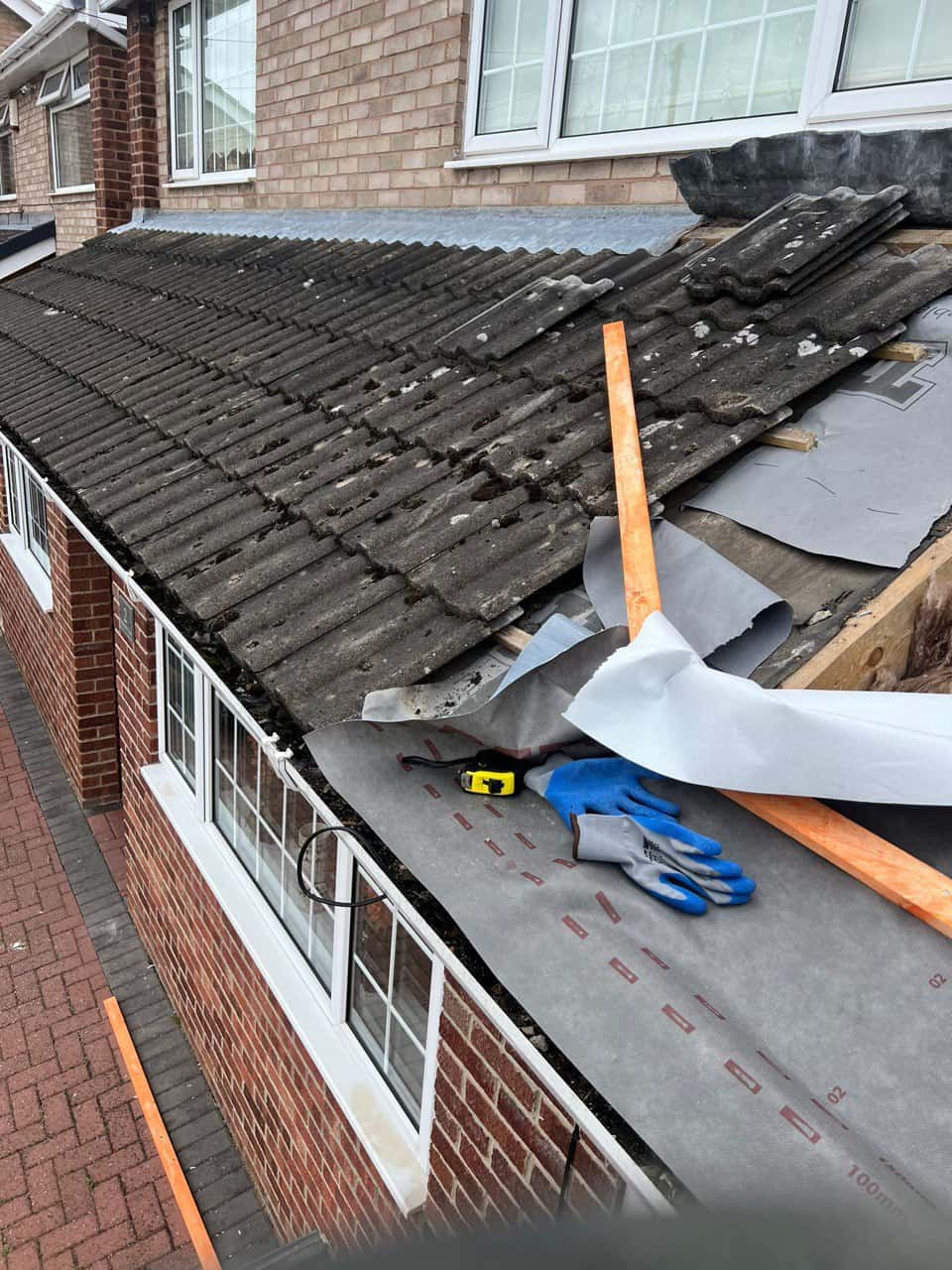
A commercial roof plays an important role in protecting a building, its contents and the people who use it. Over time, exposure to rainfall, wind, temperature changes and general wear can cause roofing materials to deteriorate. Identifying problems early can help prevent minor defects from developing into more disruptive issues.
For commercial properties in Cowplain, Hampshire, regular roof inspections and timely repairs can help maintain the condition and performance of the roofing system.
Common Commercial Roofing Problems
Commercial roofs can develop different types of defects depending on their design, materials, age and exposure. Some problems are easy to spot, while others may remain hidden until water begins to enter the building.
Water Leaks and Damp Areas
Water ingress is one of the most common signs that a commercial roof requires attention. Damp patches, water staining, peeling finishes or a musty smell inside the building can indicate that moisture is entering through the roof.
Leaks may originate from damaged membranes, failed joints, flashing or drainage problems. The visible damp patch may not be directly beneath the original entry point, so identifying the source requires careful inspection.
Damaged Roofing Membranes
Flat and low-pitched commercial roofs can suffer from cracks, splits, punctures or areas of deterioration within the roofing membrane. Once the protective surface is compromised, moisture can penetrate beneath the roofing system.
Small areas of damage may be suitable for targeted repairs, depending on the overall condition of the roof.
Blocked or Poorly Draining Areas
Commercial flat roofs rely on suitable drainage to remove rainfall. Leaves, debris and other materials can obstruct outlets and allow water to accumulate.
Persistent standing water can place additional stress on roofing materials and may contribute to deterioration over time. Keeping drainage points clear is therefore an important part of roof maintenance.
Damaged Flashing and Roof Edges
Flashing is used around vulnerable areas such as roof edges, joints, walls and penetrations. If flashing becomes loose, cracked or damaged, water can find its way beneath the surrounding materials.
Roof edges and junctions should be checked as part of routine maintenance rather than focusing only on the main roof surface.
Roof Surface Deterioration
Ageing roofing materials may become brittle, worn or visibly degraded. Discolouration, surface damage, exposed materials and repeated repairs can all indicate that the roof requires closer inspection.
Understanding the extent of deterioration can help determine whether continued repairs are appropriate or whether more substantial work may eventually be required.
Effective Commercial Roof Maintenance
A planned maintenance approach can help identify problems before they become more extensive. Regular visual inspections should look for damaged membranes, blocked drainage, deteriorating flashing, loose materials and signs of water ingress.
Internal areas should also be checked for staining or dampness, particularly following periods of heavy rainfall.
Keeping roof drainage systems clear is another important maintenance measure. Removing accumulated debris can help rainfall drain away efficiently and reduce the risk of persistent ponding.
Why Prompt Roof Repairs Matter
Small roofing defects can become more difficult to manage when they are left untreated. A minor split or damaged joint may allow repeated moisture penetration, potentially affecting insulation, roof decking or internal areas.
Prompt repairs can address the immediate defect and help protect the surrounding roofing system. The appropriate repair method will depend on the type of roof, the location of the damage and the overall condition of the materials.
Professional Commercial Roof Repairs in Cowplain
At Cowplain Roofing Repairs, we provide professional roofing services for commercial properties in Cowplain, Hampshire. We assess visible defects and investigate potential causes before recommending suitable repair work.
Whether the problem involves a roof leak, damaged membrane, defective flashing, standing water or general deterioration, addressing the underlying issue is important for maintaining a functional roofing system.
When Should a Commercial Roof Be Inspected?
A commercial roof should be checked if there are visible signs of deterioration, unexplained dampness inside the building or recurring leaks. An inspection can also be useful when maintenance concerns have been identified but the source of the problem is unclear.
Regular checks allow potential defects to be identified before they develop into more extensive roofing problems.
Conclusion
Commercial roofs can experience leaks, membrane damage, drainage problems, deteriorating flashing and general surface deterioration. Regular inspections and timely repairs can help maintain the roof and reduce the likelihood of minor defects becoming more serious.
If you have noticed roofing problems on a commercial property in Cowplain, Hampshire, contact Cowplain Roofing Repairs to arrange a professional assessment and discuss the appropriate repair solution.
Call us on: 023 9387 2689
Click here to find out more about Cowplain Roofing Repairs
Click here to complete our contact form and see how we can help with your roofing needs.