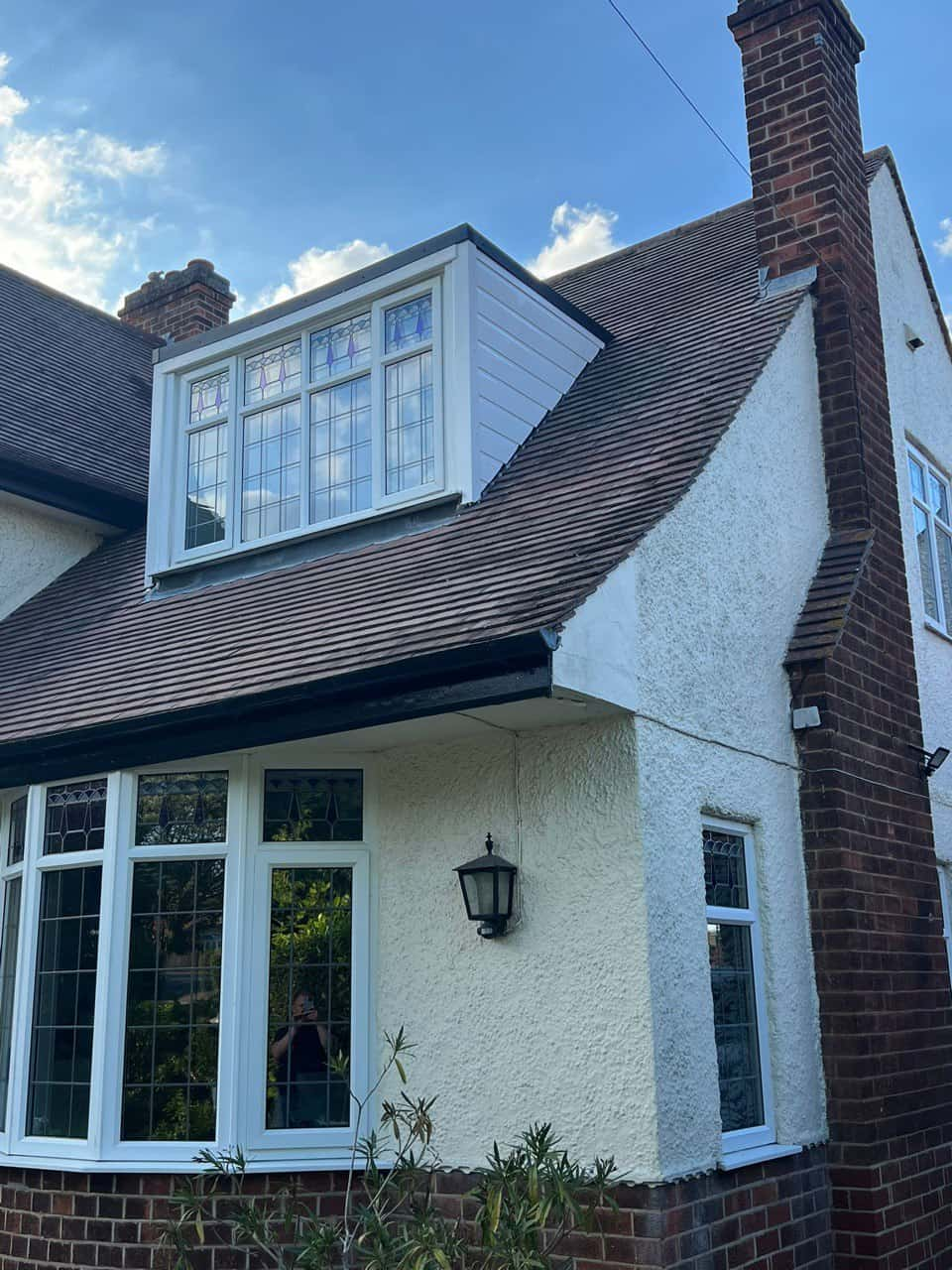
A persistent roof leak can be frustrating for homeowners, especially when water continues to appear despite previous repairs. Damp patches on ceilings, peeling paint and musty smells may seem like straightforward signs of a leak, but the actual source can be some distance from where the water becomes visible indoors.
For homeowners in Cowplain, Hampshire, identifying the underlying cause is essential to achieving a lasting repair. Water can travel along roof timbers, underlay and other building materials before finding its way into a room. Understanding the common causes of roof leaks and knowing when to seek professional help can prevent further damage and help restore your roof’s weatherproofing.
Why Is It Difficult to Find the Source of a Roof Leak?
Water does not always enter a property directly above the damp patch or ceiling stain. Rainwater may penetrate a small opening in the roof covering before travelling sideways along a timber beam or beneath the roofing materials.
This means that repairing the area where water appears indoors may not resolve the problem. The actual entry point could be higher up the roof, around a roof junction or near a feature such as a chimney or roof window.
Persistent leaks may also have more than one cause. For example, damaged roof tiles and deteriorating flashing can allow water to enter at different points during heavy rainfall.
A reliable repair starts with identifying where water is entering, how it is travelling and which roofing components have been affected.
Common Causes of Persistent Roof Leaks
Damaged or Slipped Roof Tiles
Cracked, broken or displaced roof tiles can leave vulnerable areas exposed to rainwater. Even a relatively small gap may allow moisture to reach the underlay or supporting structure, particularly during wind-driven rain.
Tiles can move because of strong winds, deteriorating fixings or damage caused by impacts. If water continues to enter after an individual tile has been replaced, the surrounding tiles and supporting battens may need further inspection.
Faulty Lead Flashing
Flashing provides a weatherproof junction where the roof meets features such as chimneys, walls and other changes in roof level. If flashing becomes cracked, loose or poorly sealed, water can enter through these vulnerable connections.
Leaks around chimneys can be particularly difficult to trace because water may travel down the surrounding masonry before appearing inside the property. A roofer should inspect the flashing and adjacent roof covering to establish whether either is contributing to the problem.
Blocked or Damaged Gutters
Gutters help carry rainwater away from the roof and building. When they become blocked with leaves and debris, water may overflow or collect around roof edges, potentially contributing to dampness and deterioration.
Cracked gutter joints, loose brackets and damaged downpipes can also allow water to reach areas where it should not accumulate. Although gutter faults are not always roof leaks in the strictest sense, they can create similar symptoms and should be checked during an investigation.
Problems with Flat Roof Coverings
Flat roofs can develop leaks when their covering becomes cracked, blistered, split or detached at the edges. Water may also enter around roof outlets, joints and connections with adjoining walls.
Because water can travel beneath a flat roof covering, the visible damp patch may not indicate the precise location of the defect. A thorough inspection is important to determine whether the problem is isolated or whether a larger section of the roof has deteriorated.
Condensation Mistaken for a Roof Leak
Not all dampness in a loft or ceiling is caused by rainwater entering through the roof. Poor ventilation, inadequate insulation arrangements and warm, moist indoor air can contribute to condensation.
Condensation may appear as moisture on roof timbers, droplets beneath the roof covering or damp insulation. The pattern and timing of the moisture can help distinguish condensation from a leak, although professional assessment may be needed where the cause is unclear.
How to Investigate a Roof Leak Safely
If you notice signs of a leak, begin by observing when the problem occurs. Damp patches that worsen during rainfall may indicate water ingress, while moisture that appears mainly in cold weather could be related to condensation.
From inside the property, look for visible staining, peeling paint, damp loft insulation or water marks on accessible roof timbers. Take photographs of any changes and note whether the problem becomes worse during heavy rain.
From ground level, you may be able to spot missing tiles, damaged roof edges or overflowing gutters. Do not climb onto the roof or use a ladder to investigate, particularly in wet or windy conditions.
If water is entering near electrical fittings, avoid touching the affected area and seek appropriate assistance. Where possible, protect belongings and collect dripping water safely without placing yourself at risk.
These observations can help a roofer narrow down the cause, but they should not replace a proper inspection of the roof.
Why Professional Roof Leak Repairs Matter
A lasting roof leak repair requires more than sealing the first visible gap. The roofing system needs to be assessed to identify the entry point, determine how far the moisture has travelled and establish whether surrounding materials have been damaged.
Professional roofers can examine tiles, flashing, roof coverings, junctions and drainage components to identify likely sources of water ingress. Once the cause is established, they can recommend repairs suited to the roofing material and the extent of the damage.
Cowplain Roofing Repairs can help investigate persistent roof leaks and address the underlying roofing problems affecting your property. Identifying the cause correctly helps avoid repeated temporary fixes and reduces the risk of further deterioration.
How to Reduce the Risk of Future Roof Leaks
Regular roof maintenance can help identify small defects before they develop into persistent leaks. Periodic inspections should look for cracked or displaced tiles, deteriorating flashing, damaged flat roof coverings and drainage problems.
It is also worth arranging an inspection if you notice recurring damp patches or discover that previous repairs have not resolved the issue. Prompt attention can help limit moisture exposure and protect the roof’s supporting structure.
The appropriate maintenance routine depends on the roof’s age, materials, design and general condition.
Conclusion
Finding the source of a persistent roof leak can be challenging because water often travels away from the original entry point before becoming visible indoors. Damaged tiles, faulty flashing, blocked gutters, deteriorating flat roof coverings and condensation can all produce similar symptoms.
If your roof continues to leak despite previous repairs, Cowplain Roofing Repairs can help identify the underlying problem and recommend suitable remedial work. Contact us to discuss your roof leak concerns and arrange professional assistance for your property in Cowplain, Hampshire.
Call us on: 023 9387 2689
Click here to find out more about Cowplain Roofing Repairs
Click here to complete our contact form and see how we can help with your roofing needs.